
Reverse Logistics in Healthcare: A 2026 Supply Chain Guide
Reverse logistics in healthcare is defined as the organized backward flow of goods, including returned medical devices, expired medications, and biohazardous waste, from the point of use back to suppliers, reprocessors, or authorized disposal facilities. This process sits at the intersection of regulatory compliance, patient safety, and cost control within the broader healthcare supply chain. Oversight by agencies such as the EPA and OSHA requires strict environmental and safety handling at every step, and improper disposal carries severe penalties. For supply chain managers and logistics coordinators, understanding what is reverse logistics in healthcare is no longer optional. It is a core operational competency.
What is reverse logistics in healthcare and how does it work?
Reverse logistics in healthcare covers every process that moves a product backward through the supply chain. The industry term for this discipline is “reverse supply chain management,” though “reverse logistics” is the phrase most widely used by practitioners and regulators alike.
The core flows include:
- Returns management: Unused, overstocked, or defective products are returned from hospitals, clinics, or pharmacies to manufacturers or distributors.
- Inspection and quality assessment: Returned items are evaluated to determine whether they can be reused, repaired, refurbished, or must be destroyed.
- Repair and refurbishment: Medical device refurbishment extends device life cycles, reduces procurement costs, and cuts waste. This process is tightly regulated to confirm safety and effectiveness before any reuse.
- Safe disposal: Expired pharmaceuticals, single-use devices, and biohazardous materials require disposal under specific regulatory protocols. Facilities handling radioactive material transport face an additional layer of compliance requirements.
- Redistribution: Products cleared for reuse are redirected to where they are needed within the supply network.
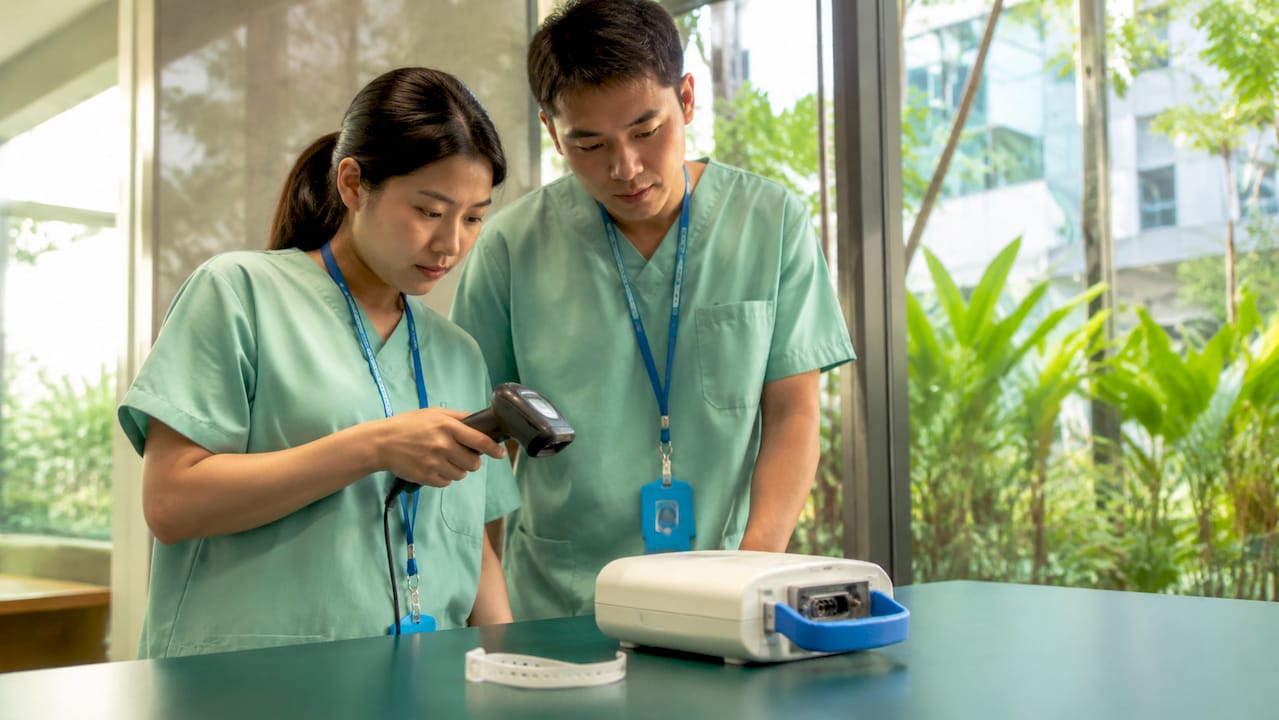
Hospitals manage these flows using Return Merchandise Authorization (RMA) systems. RMA systems clarify product eligibility, initiate the correct handling pathway, and maintain traceability throughout the return cycle. Third-party logistics providers, known as 3PL operators, frequently manage the physical execution of these workflows on behalf of healthcare organizations.
Pro Tip: Assign a dedicated RMA coordinator within your supply chain team. A single point of accountability for return documentation reduces processing errors and accelerates resolution times significantly.
Why is reverse logistics critical for compliance and patient safety?
Regulatory compliance is the primary driver of reverse logistics investment in healthcare. The EPA, OSHA, and national health authorities in markets across Southeast Asia each impose specific requirements for the handling, transport, and disposal of medical waste and returned products. Compliance failures result in fines, environmental harm, and direct safety risks to patients and staff.
The compliance stakes are especially high in four areas:
- Biohazardous waste disposal: Materials contaminated with blood, pathogens, or chemicals must follow defined disposal protocols. Deviation creates public health exposure and legal liability.
- Expired pharmaceutical returns: Medications past their expiry date cannot re-enter the supply chain. Traceability records must confirm destruction or authorized return to the manufacturer.
- Recalled product retrieval: Product recalls require rapid, documented withdrawal from circulation. A fragmented reverse logistics process delays retrieval and extends patient exposure to defective products.
- Environmental protection: Improper disposal of pharmaceuticals and medical chemicals contaminates water and soil. Regulatory frameworks increasingly treat this as a criminal, not just administrative, offense.
“Effective reverse logistics is not a back-office function. It is a patient safety mechanism. Every untracked return or improperly disposed product represents a gap in the chain of care.”
Traceability is the technical backbone of compliant reverse logistics. Every product movement must be documented, from the point of return authorization through final disposition. Healthcare organizations operating across borders, particularly within Southeast Asia, must align their processes with the compliance frameworks of each jurisdiction they serve.
What are the main challenges in reverse logistics for healthcare organizations?
Healthcare supply chain leaders face a compounding set of operational and regulatory barriers. In 2026, 53% of healthcare supply chain executives expect worsening operational challenges alongside intensified cost pressures. That figure signals that reverse logistics, already resource-intensive, is becoming harder to manage without structural investment.
The most significant challenges are:
- Lack of clinical integration: Only 32% of organizations report full clinical integration in their supply chains, and just 3% say clinicians strongly support supply chain initiatives. Without clinical buy-in, product return protocols go unenforced at the point of care.
- High product diversity: A single hospital handles thousands of SKUs across pharmaceuticals, consumables, implants, and capital equipment. Each category carries different return rules, shelf-life requirements, and disposal regulations.
- Single points of failure: 65% of organizations have at least one single point of failure in their supply chains. This fragility extends directly into reverse logistics, where a failed return pathway can leave expired or recalled products in circulation.
- Cross-border regulatory complexity: Global reverse logistics for refurbished medical equipment faces customs clearance and approval verification requirements that vary by country. Standardized documentation and correct Incoterms reduce detention risks, but many organizations lack the internal expertise to manage this consistently.
- Technology gaps: Many healthcare facilities still rely on manual tracking for returns. Without digital systems, errors accumulate, audit trails break down, and compliance reporting becomes unreliable.
- Cost pressure: Rising operational costs squeeze the budget available for reverse logistics infrastructure, even as the volume and complexity of returns grows.
Pro Tip: Map your reverse logistics network annually. Identify which product categories have the highest return volume and the weakest documentation. Address those gaps before a regulatory audit or product recall forces the issue.
How can healthcare supply chains optimize reverse logistics?
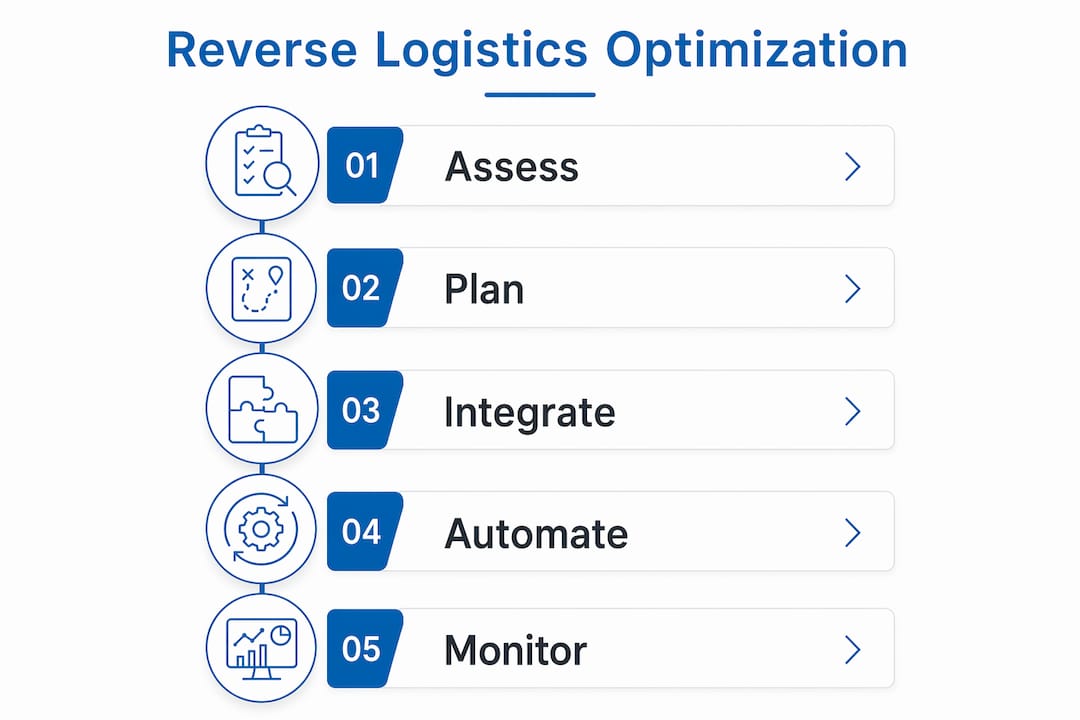
The shift from reactive to proactive reverse logistics management requires both technology investment and structural change. Traditional just-in-time models are insufficient in healthcare. Experts recommend resilient, agile supply chain architectures that integrate AI and IoT for better reverse logistics management.
Technology tools that improve reverse logistics performance
| Technology | Primary Application | Key Benefit |
|---|---|---|
| AI and machine learning | Predicting return volumes and expiry patterns | Reduces waste and overstock |
| IoT sensors | Real-time tracking of returned goods in transit | Improves traceability and condition monitoring |
| Digital RMA platforms | Automating return authorization and documentation | Cuts processing time and compliance risk |
| Real-time analytics | Monitoring waste flows and disposal compliance | Supports regulatory reporting |
| AI in cold chain logistics | Managing temperature-sensitive pharmaceutical returns | Protects product integrity during reverse flow |
Beyond technology, structural strategies make a measurable difference:
- Risk pooling and safety stocks: Maintaining buffer inventory at key nodes absorbs disruption when reverse logistics delays reduce available supply.
- Supplier redundancy: Multiple approved suppliers for critical categories prevent single points of failure from cascading into care delivery gaps.
- Clinical alignment programs: Engaging clinicians in return protocol design increases compliance at the point of care. This directly addresses the low clinician support rate identified in 2026 supply chain surveys.
- Sustainability integration: Refurbishment programs for medical devices reduce procurement costs and align with environmental regulations. Organizations that treat sustainable supply chain practices as a compliance requirement, rather than a preference, build more defensible reverse logistics processes.
The combination of digital tools and clinical engagement produces the most durable improvements. Technology without process change generates data. Process change without technology creates manual bottlenecks. Both are required.
Key Takeaways
Effective reverse logistics in healthcare requires regulatory compliance, clinical integration, and digital tracking to protect patient safety and control costs across the supply chain.
| Point | Details |
|---|---|
| Reverse logistics definition | The backward flow of medical products from point of use to disposal, repair, or return, governed by EPA and OSHA rules. |
| RMA systems are foundational | Return Merchandise Authorization systems provide the traceability and documentation that compliance audits require. |
| Clinical alignment is the weakest link | Only 3% of clinicians strongly support supply chain initiatives, creating enforcement gaps at the point of care. |
| Technology must replace manual tracking | AI, IoT, and digital RMA platforms reduce errors, improve audit trails, and support real-time compliance reporting. |
| Cross-border complexity demands preparation | Standardized documentation and correct Incoterms are non-negotiable for international medical device returns. |
The operational reality most organizations underestimate
Healthcare supply chain professionals tend to treat reverse logistics as a downstream problem. It gets addressed after procurement, distribution, and inventory management have been resourced. That sequencing is a mistake, and the 2026 data makes it visible.
When 65% of organizations carry a single point of failure in their supply chains, the reverse flow is where that fragility shows up first. A recalled product that cannot be traced. An expired medication that re-enters stock because the RMA process broke down. A refurbished device held in customs because documentation was incomplete. These are not edge cases. They are predictable outcomes of underfunded reverse logistics infrastructure.
The organizations that manage this well share one characteristic: they treat reverse logistics as a compliance function, not a cost center. That framing changes how it gets resourced, staffed, and measured. Clinical partnerships are not a nice-to-have in this model. They are the mechanism by which return protocols get enforced at the point of care, where the product actually is.
Technology integration matters, but not at the expense of process clarity. An AI-powered tracking system deployed on top of a broken RMA workflow produces better data about a broken process. Fix the process first. Then automate it.
For logistics coordinators operating across Southeast Asia, the regulatory environment adds another layer. Each market has its own requirements for medical waste disposal, pharmaceutical returns, and device refurbishment. Building a reverse logistics network that works across Singapore, Malaysia, Thailand, and Indonesia simultaneously requires local regulatory knowledge, not just a regional framework.
— Brandcore
How Labgistics supports healthcare reverse logistics in Southeast Asia
Labgistics brings over 20 years of specialized experience in healthcare logistics across Southeast Asia, with infrastructure and regulatory expertise built specifically for the complexity that reverse logistics demands.
Healthcare organizations managing product returns, device refurbishment, and compliant waste disposal across multiple markets need more than a general logistics provider. Labgistics offers tailored logistics solutions that address the full reverse logistics cycle, from RMA documentation and inspection through safe disposal and redistribution. Its fully accredited distribution centers, cold chain capabilities, and logistics risk management frameworks are designed to keep healthcare supply chains compliant and operationally sound, even under the cost and disruption pressures that define 2026.
FAQ
What is the reverse logistics definition in healthcare?
Reverse logistics in healthcare is the organized backward movement of medical products, including returns, recalls, expired medications, and biohazardous waste, from the point of use to suppliers, reprocessors, or disposal facilities. The process is governed by EPA, OSHA, and national health authority regulations.
Why is the importance of reverse logistics growing in 2026?
In 2026, 53% of healthcare supply chain executives expect worsening operational challenges alongside intensified cost pressures, making efficient reverse logistics a direct factor in financial and compliance performance.
What are the biggest challenges in reverse logistics for healthcare?
The main challenges include lack of clinical integration, high product diversity, cross-border regulatory complexity, technology gaps in tracking, and single points of failure that affect 65% of healthcare supply chains.
How do RMA systems support reverse logistics processes?
Return Merchandise Authorization (RMA) systems manage product returns by clarifying eligibility, initiating the correct handling pathway, and maintaining traceability from return authorization through final disposition, whether that is reuse, resale, or disposal.
How does reverse logistics connect to sustainability in healthcare?
Refurbishment programs for medical devices extend product life cycles and reduce procurement costs. Combined with compliant disposal of biohazardous and expired materials, these practices align reverse logistics with both environmental regulations and cost reduction goals.
Recommended
- Sustainable Supply Chain Practices in Medical Warehousing
- What Is Cross Border Healthcare Logistics: A 2026 Guide
- Step-by-step supply chain mapping for healthcare success
- End-to-end supply chain explained: Healthcare in Southeast Asia