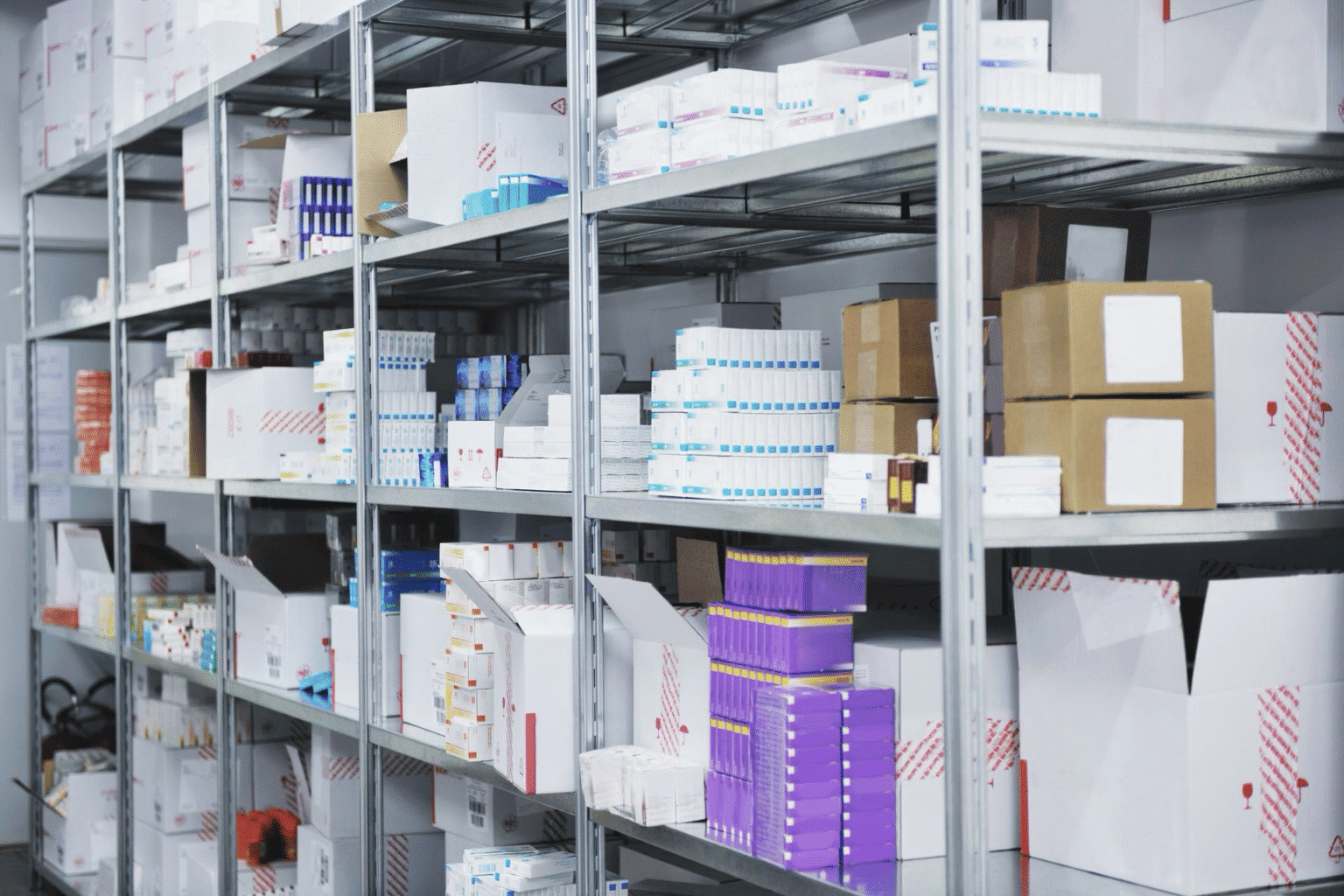
Image Source: medical factory supplies storage (Vecteezy)
Sustainable Supply Chain Practices in Medical Warehousing
Southeast Asia’s healthcare logistics sector is quietly undergoing a transformation. With more attention on climate change, resource efficiency, and regulatory standards, the way medical goods are stored and moved is being reevaluated. Warehousing plays a key role in this shift—not just as a place of storage, but as a central component of a greener supply chain.
The Case for Sustainability in Healthcare Logistics
Logistics in healthcare is notoriously complex. Medicines and devices often need strict temperature control, accurate tracking, and fast delivery. The industry’s challenge today is to meet those demands while cutting down on waste and carbon emissions. Sustainable warehousing and distribution practices in logistics help reduce unnecessary shipments, energy use, and packaging waste, while also lowering costs over time (StartUs Insights, 2024).
Energy Efficiency in Modern Warehouses
Across Singapore and other urban hubs, warehouses supporting medical logistics are being fitted with LED lighting, insulated panels, and smart HVAC systems. These cold chain logistics upgrades reduce power consumption while keeping sensitive products within safe temperature ranges (Dharmendra Hariyani et al., 2024).
One of the most impactful changes involves inventory technology. With predictive analytics and real-time tracking, warehouses can avoid the common issue of expired stock. Smarter systems help reduce excess inventory and limit emergency shipping, both of which contribute to a lower environmental footprint (Dharmendra Hariyani et al., 2024).
Smarter Distribution Models
Instead of running multiple delivery routes, logistics companies are now grouping orders together and optimizing routes. This approach not only saves fuel but also reduces traffic congestion in busy cities. In areas like Singapore, last-mile delivery accounts for a large portion of emissions, making route optimization a practical solution.
Rethinking Packaging and Product Returns
Sustainability also means looking at the materials used for shipping. More logistics providers are moving toward recyclable or reusable packaging. At the same time, systems for handling returned goods or expired items are being streamlined to avoid unnecessary waste and improve safety (Wikipedia, 2023).
Regional Goals Are Driving Change
Government frameworks like Singapore’s Green Plan 2030 are encouraging Singapore logistics providers to cut emissions and operate more sustainably. In the healthcare space, this means adopting energy benchmarks, switching to low-emission vehicles, and tracking environmental performance over time (Singapore Government, n.d.).
Final Thoughts
Sustainability in medical logistics isn’t just about being eco-friendly—it’s about operating smarter, safer, and more efficiently. As expectations shift and technologies evolve, healthcare providers and logistics partners will need to work together to ensure that sustainability is built into the very foundation of their operations.
References
Dharmendra Hariyani, P., Poonam Hariyani, S., Mishra, S., & Sharma, M. K. (2024). A literature review on green supply chain management for sustainable sourcing and distribution. Waste Management Bulletin. https://doi.org/10.1016/j.wmb.2024.11.009
Singapore Government. (n.d.). Singapore Green Plan 2030. https://www.greenplan.gov.sg/
StartUs Insights. (2024). Explore the top 10 healthcare supply chain trends in 2024. https://www.startus-insights.com/
Wikipedia. (2023). Sustainable distribution. https://en.wikipedia.org/wiki/Sustainable_distribution