
Navigating Pharma Logistics: 8 Key Challenges & Smart Solutions
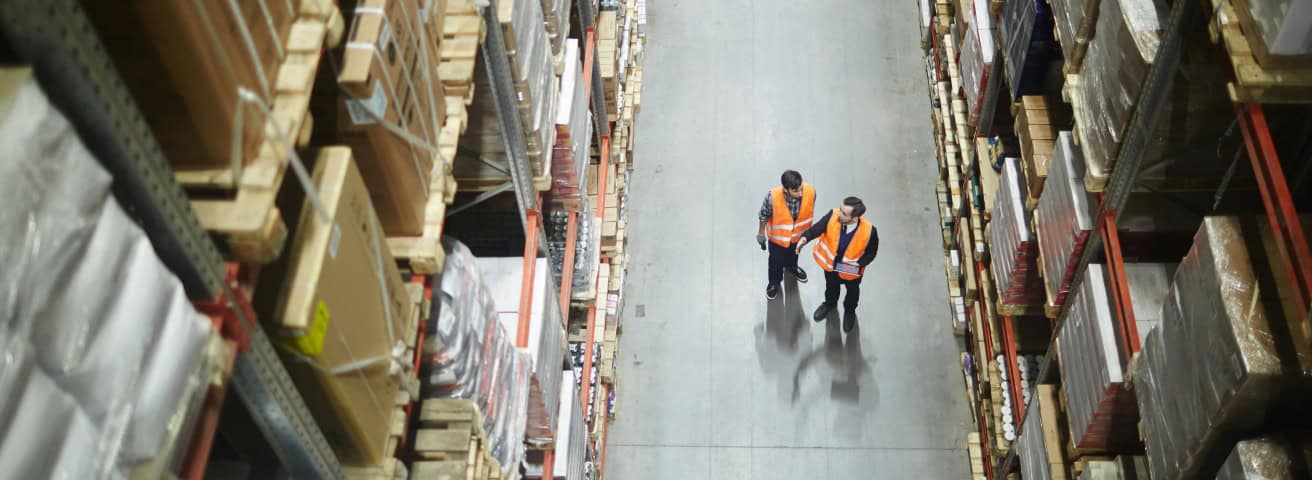
Image Source: Unsplash – Large Scale Shelves
Navigating Modern Pharmaceutical Logistics: Key Challenges and Smart Solutions
Perfection is not optional in pharma logistics. It is essential. From life-saving medicines to critical vaccines and medical products, logistics errors can directly impact patient safety and regulatory compliance. As globalisation accelerates, pharmaceutical supply chains face increasing complexity driven by stricter regulations, temperature-sensitive products, and interconnected regional networks. Singapore and Southeast Asia have emerged as vital hubs for healthcare logistics, offering strong infrastructure while navigating cross-border dependencies and disruptions. Despite these challenges, resilient strategies, digitalisation, and strategic planning continue to strengthen pharmaceutical supply chains across the region (Locus.sh, n.d.; U.S. International Trade Administration [ITA], n.d.).
Below are the key challenges shaping modern pharmaceutical logistics and the strategies helping the industry move forward.
1. Regulatory Compliance and Documentation Complexity
One of the most persistent challenges in pharmaceutical logistics is meeting evolving regulatory and documentation requirements. Regulations vary across countries, requiring strict adherence to both national and international standards. For Singapore logistics services operating regionally, navigating customs clearance, compliance audits, and documentation accuracy is critical. Any lapse can result in shipment delays, penalties, or product rejection, making regulatory compliance a cornerstone of healthcare logistics operations (Locus.sh, n.d.).
2. Cold Chain Temperature Control Risks
Temperature sensitivity is central to pharmaceutical and healthcare logistics. Maintaining consistent temperature conditions throughout storage and transportation is essential to preserving product integrity. Cold chain failures, particularly during cross-border movement, increase the risk of product spoilage and safety breaches. This challenge is especially pressing for medical equipment distributors and pharma companies handling vaccines, biologics, and sensitive medical products (Katana MRP, n.d.).
3. Supply Chain Disruptions and International Market Conditions
International Market Conditions, global crises, and unexpected disruptions have exposed vulnerabilities across pharmaceutical supply chains. Many supply networks remain heavily dependent on specific regions or suppliers, increasing exposure to delays and shortages. For Southeast Asia’s interconnected markets, such disruptions can spread quickly across borders, affecting availability and delivery timelines (Katana MRP, n.d.).
4. Limited End-to-End Visibility Across Regional Networks
End-to-end visibility remains a challenge in complex regional supply chains. Without real-time data and coordinated systems, logistics teams struggle to monitor shipments, temperature conditions, and inventory movement. Limited visibility increases operational risks and complicates decision-making, reinforcing the need for digital solutions in modern healthcare logistics operations (Locus.sh, n.d.).
5. Rising Logistics and Transportation Costs
Escalating fuel prices, labour costs, and compliance expenses are placing increasing pressure on logistics margins. For pharmaceutical companies and Singapore logistics services providers, balancing cost efficiency with regulatory and safety requirements is a growing challenge, especially as regional demand for healthcare products continues to rise (Katana MRP, n.d.).
6. Inventory Management and Demand Forecasting Challenges
Inefficient inventory management and inaccurate demand forecasting often result in excess stock or critical shortages. These imbalances affect service levels, increase holding costs, and heighten the risk of expired pharmaceutical products. In healthcare logistics, effective forecasting is vital to ensuring consistent supply without waste (Katana MRP, n.d.).
7. Dependency on Global Suppliers
High dependency on global suppliers exposes pharmaceutical supply chains to upstream disruptions. Any interruption can trigger shortages and delays, limiting responsiveness to local market needs and emergencies (International Pharma, 2023).
8. Building Resilient and Future Ready Pharma Supply Chains
To address these challenges, organisations are adopting resilience-focused strategies such as supplier diversification, alternative trade routes, and strategic inventory buffers. Digitalisation enables end-to-end visibility, while predictive analytics improve demand forecasting and decision-making. Strong compliance frameworks and collaborative partnerships further strengthen operational stability. Backed by advanced infrastructure and pro-business policies, Singapore is well-positioned to lead the development of resilient, future-ready pharmaceutical supply chains across Southeast Asia (International Pharma, 2023; ITA, n.d.).
The Future of Pharmaceutical Logistics in the Region
As pharmaceutical logistics continues to evolve, resilience, digital adoption, and collaboration will define industry success. With robust regulations, regional connectivity, and innovation-driven Singapore logistics services, the region is well equipped to support efficient healthcare logistics and reliable medical equipment distribution. By addressing current challenges with strategic solutions, pharmaceutical supply chains can remain stable, responsive, and ready to meet future healthcare demands.
References
International Pharma. (2023, January). How the pharmaceutical industry can navigate supply chain disruptions and gain resiliency https://international-pharma.com/wp-content/uploads/2023/01/How-the-Pharmaceutical-Industry-Can-Navigate-Supply.pdf
Katana MRP. (n.d.). Untangle the complex web of pharma supply chain and logistics. https://katanamrp.com/blog/pharma-supply-chain-logistics
Locus.sh. (n.d.). What is pharmaceutical logistics? Importance & challenges. https://blog.locus.sh/what-is-pharmaceutical-logistics/
U.S. International Trade Administration (ITA). (n.d.). Singapore: Supply chain resilience. https://www.trade.gov/country-commercial-guides/singapore-supply-chain-resilience