
Essential Steps Companies Should Know Before Product Registration in Singapore
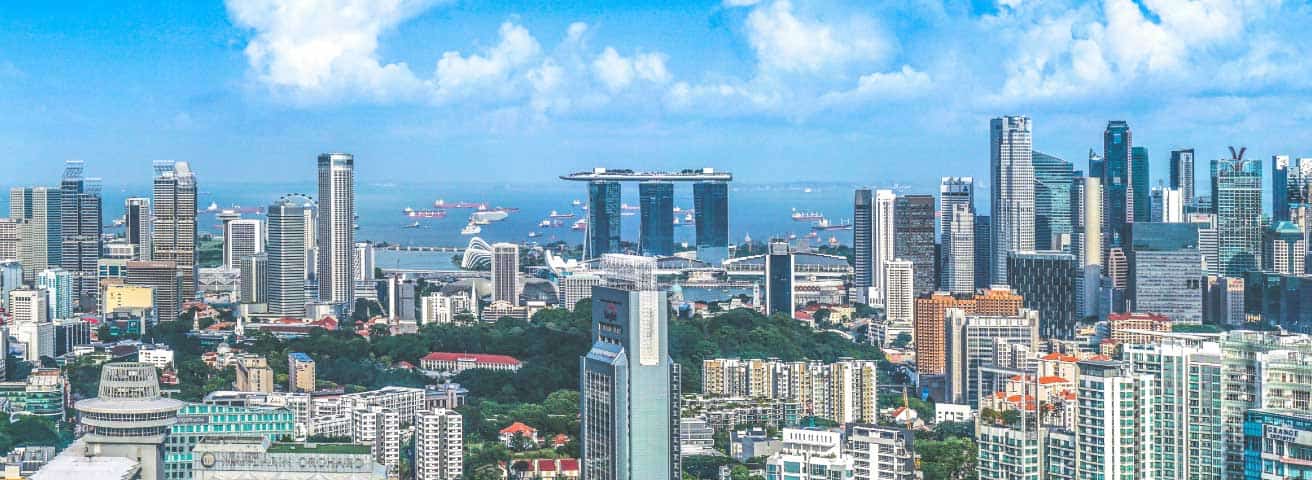
Image Source: Singapore skyline high rise buildings (Unsplash)
Essential Steps Before Registering Healthcare Products in Singapore
Singapore is one of the most trusted gateways for healthcare brands looking to expand into Southeast Asia. Its clear rules, efficient processes, and strong global reputation make it a popular choice for launching products like medical devices, pharmaceuticals, and biologics. But to succeed in this market, companies need to understand how the approval process works and which steps are required before going to market. With its strong regulatory services and business-friendly environment, many firms view product registration in Singapore as the ideal entry point into ASEAN (Health Sciences Authority, 2025).
Inaccurate inventory also leads to mistakes in picking and packing, which increases return rates. By improving accuracy through real-time systems, businesses avoid unnecessary returns, boost customer satisfaction, and save money on reverse logistics (Ministry of Health, Singapore, 2024).
Who Oversees Product Approvals: HSA
In Singapore, healthcare products are regulated by the Health Sciences Authority (HSA) (Health Sciences Authority, 2025). This government agency is in charge of regulating health products to meet standards of safety, quality and efficacy. All applications go through PRISM (therapeutic products) and SHARE (medical devices). HSA’s online regulatory e-systems that provide the convenience of carrying out transactions with HSA and management of licences (Health Sciences Authority, 2026).
One of the first things a company must do is to correctly classify the type of product they’re registering. Medical devices, in particular, are grouped by risk level—from Class A (low risk) to Class D (high risk). HSA offers both pharmaceutical regulatory services and medical device regulatory support to help ensure that products meet strict safety and compliance standards (Health Sciences Authority, 2026).
| CLASS | RISK LEVEL | EXAMPLES |
| A | Low Risk | Wheelchairs, tongue depressors |
| B | Low-moderate Risk | Hypodermic needles, suction equipment |
| C | Moderate-high Risk | Ventilators, Bone fixation plates |
| D | High Risk | Heart valves, Implantable defibrillators |
Class A products are exempt from product registration. However, do note that dealers (importers, wholesalers, and manufacturers) will still need to be licensed by HSA, and a list of class A medical devices must be submitted electronically to HSA prior to import of the devices (Health Sciences Authority, 2025).
Higher-risk items, such as heart valves or implantable defibrillators, fall under Class D and must go through a more detailed review process. This includes review of technical documentation, clinical test reports, and verification and validation of device design (Health Sciences Authority, 2026).
Getting the classification right is important because it affects how long the registration approval takes and the required documents for submission (Ministry of Health, Singapore, 2024).
Timelines: How Long Does Product Registration Take?
The time it takes to register a product in Singapore depends on the type of product (ie. medical device or therapeutic product), its classification, and the completeness of your documents. Here’s a rough guide for medical devices:
- Low-risk medical devices (Class A) are exempted from product registration. However, do note that dealers (importers, wholesalers and manufacturers) will still need to be licensed by HSA, and a list of class A medical devices will need to be submitted electronically to HSA prior to import of the devices (Health Sciences Authority, 2025).
- Moderate to high-risk medical devices (Class B-D) typically take 0 (for immediate evaluation routes) to 16 months, depending on the risk level and whether the products has already been approved by HSA’s recognized reference agencies like:
- US Food and Drug Administration (US FDA)
- European Union Notified Bodies (EU NB)
- Australia Therapeutic Goods Administration (TGA) Device Registration Licence
- Health Canada (HC) Device Registration Licence
- Japan Ministry of Health, Labour and Welfare (MHLW)
Singapore’s healthcare product registration process is clear but requires attention to detail. By understanding the regulatory process, and preparing the right documents for your product type and class, you can avoid costly delays and attain quicker market access. Regardless of the product type and risk class, success starts with knowing the rules and working with the right partners (Baker McKenzie, 2026).
References
Baker McKenzie. (2026, January 29). Singapore: Regulatory updates for therapeutic product registration. Lexology. https://www.lexology.com/library/detail.aspx?g=21b0a534-cfd5-4c07-9963-66921740948d
Health Sciences Authority. (2025). Guidance on medical device product registration (GN‑15‑R12). https://www.hsa.gov.sg/medical-devices/guidance-documents
Health Sciences Authority. (2025). Guidance for dealers on Class A medical devices (GN‑22‑R8). https://www.hsa.gov.sg/medical-devices/guidance-documents
Health Sciences Authority. (2026). Guidance on therapeutic product registration in Singapore. https://www.hsa.gov.sg/docs/default-source/hprg-tpb/guidances/guidance-on-therapeutic-product-registration-in-singapore.pdf
Ministry of Health, Singapore. (2024). Health products and medical device regulation. https://www.moh.gov.sg/others/health-regulation/health-products-and-medical-device-regulation