
Green Cold Chain: Eco-Friendly Pharma Logistics
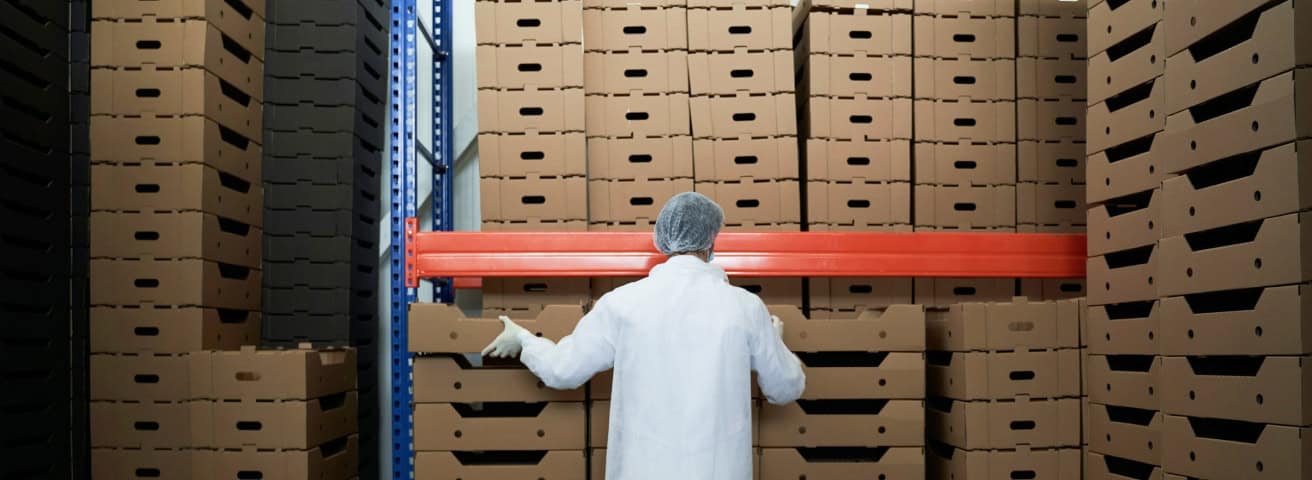
Image Source: Unsplash – Cardboard Boxes
Importance of Sustainable Cold Chain Logistics
As our planet’s health continues to deteriorate with each passing moment, we can no longer rely on traditional cold chain methods. Due to how energy intensive they are and the way they contribute to carbon emissions, excessive consumption, and wastage, the logistics sector needs to prioritise sustainable solutions. As sustainability becomes an increasing priority in the healthcare and logistics sectors, effective solutions such as green cold chain gaining popularity. For any Logistics Company in Singapore, maintaining green practices is crucial while preserving operational excellence, especially as sustainability initiatives are strongly encouraged (Enterprise Singapore, n.d.). By implementing environmentally friendly technologies offered by green cold chain, operational strategies that protect both product integrity and the environment can be maximised (Thomas et al.,2022).
Environmental Impact of Traditional Cold Chain
Traditional cold chain methods are known to have various negative effects on the environment. These include intensive refrigeration requirements, inefficient transport planning, and the use of materials that are not eco-friendly. High energy consumption and emissions generated by refrigeration are among the primary challenges in the pharmaceutical logistics sector (Thomas et al., 2022). A lack of temperature control and coordination across warehousing and distribution operations can lead to product integrity loss and increased medical waste. Research on green supply chain practices highlights that inefficient healthcare logistics management escalates operational and compliance risks while simultaneously harming the environment (Balakrishanan & Dinesh, 2024). These gaps within pharmaceutical logistics networks require urgent attention and the adoption of more sustainable practices.
Green Cold Chain Strategies in Pharma Logistics
Without jeopardising pharmaceutical safety or regulatory compliance, green cold chain logistics focuses on reducing environmental impact. The adoption of energy-efficient refrigeration systems, sustainable refrigerants, and eco-friendly packaging materials that improve insulation while reducing waste are all key strategies (Balakrishanan & Dinesh, 2024). More deliberate route planning and load consolidation also contribute to transportation optimisation across healthcare supply chain. Singapore’s push toward responsible logistics extends to Singapore storage and warehouse facilities, where sustainability frameworks encourage greener operations and innovation across supply chain networks (Enterprise Singapore, n.d.). These strategies help align environmental responsibility with operational reliability in pharmaceutical logistics.
Building Greener Cold Chain Through Digital Innovation
To drive sustainable pharmaceutical cold chain, digitalisation is essential. Technologies such as Internet of Things sensors, real-time temperature monitoring, and data analytics provide end-to-end visibility across logistics networks. With the ability to monitor temperature, energy consumption, and shipment conditions in real time, logistics providers can prevent product wastage, maintain strict temperature requirements, and reduce unnecessary energy usage across warehousing and distribution activities (Lo et al., 2024). Studies on digitalised pharmaceutical logistics indicate that data-driven decision-making enhances both sustainability performance and regulatory compliance. Digital innovation also supports predictive maintenance and demand forecasting, strengthening the efficiency and resilience of green cold chain operations.
Shaping the Future of Pharma Logistics in Singapore
Green cold chain represent the future of pharmaceutical logistics as the industry balances product safety and environmental responsibility. Through the integration of sustainable operational practices and digital technologies, companies can reduce emissions, improve efficiency, and strengthen healthcare outcomes. Supported by a strong regulatory environment, advanced infrastructure, and progressive sustainability policies, Singapore is well-positioned to lead eco-friendly pharmaceutical logistics in the region (Enterprise Singapore, n.d.). As healthcare demands continue to evolve, green cold chain will be essential in enabling resilient, responsible, and future-ready supply chain for logistics providers across Southeast Asia.
References
Balakrishnan, R., & Dinesh, R. (2024). Green supply chain practices in healthcare industry. ResearchGate. https://www.researchgate.net/publication/384742088_Green_Supply_Chain_Practices_In_Healthcare_Industry
Enterprise Singapore. (n.d.). Sustainability for logistics enterprises in Singapore. https://www.enterprisesg.gov.sg/-/media/13143A9AB82C4885B66EDE3DA4936C55.ashx
Lo, C. M., Yong, L., Gu, P., Sanderson, J., & Duan, K. (2024). Digitalization to achieve greener healthcare supply chain. Journal of Cleaner Production, 463, 142802. https://www.sciencedirect.com/science/article/abs/pii/S0959652624022509
Thomas, R., Smith, L., & Wong, K. (2022). Green operation strategies in healthcare for enhanced quality of life. PMC. https://pmc.ncbi.nlm.nih.gov/articles/PMC9819318/