
Integrating AI into Cold Chain for Efficient Pharma Logistics
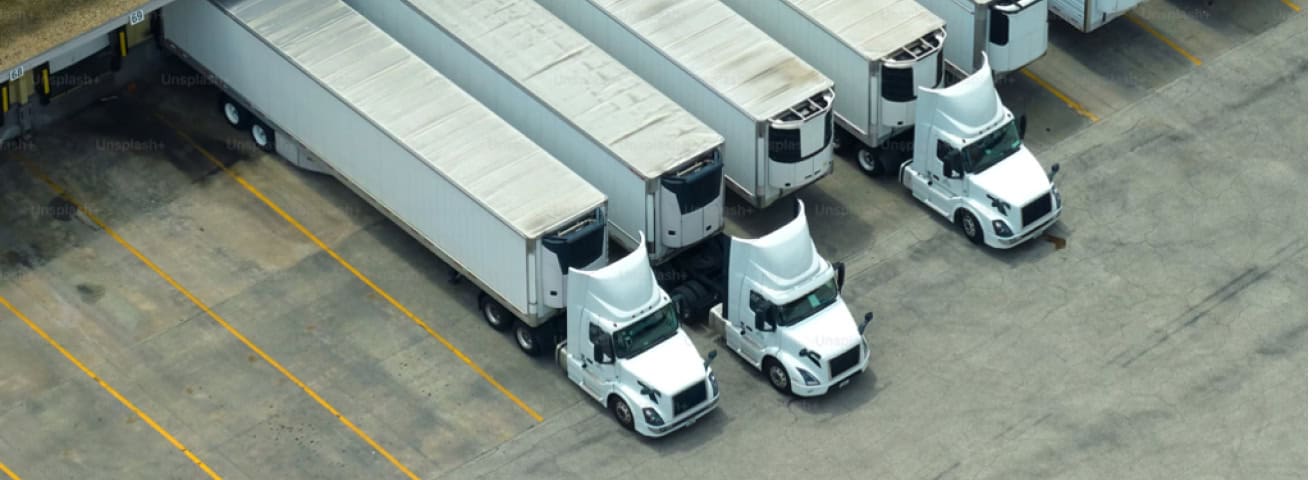
Image Source: Big corporate shipment center
In Healthcare, There Is No Room for Error
Medicines, vaccines, and biologics are among the most temperature-sensitive items in the world. Even a minor deviation from their required temperature range can compromise their safety and efficacy.
According to Singh (n.d.) from Pharmaceutical Commerce, more than $35 billion worth of pharmaceutical products move through the global cold chain annually — with vaccines accounting for nearly 25% of temperature-controlled shipments. Managing this complexity requires absolute precision.
In a robust pharmaceutical logistics system, millions of deliveries and storage movements take place every year. To meet these high standards, artificial intelligence (AI) has become indispensable — enhancing visibility, speeding up response times, and ensuring safety through predictive accuracy (CrossML, n.d.).
How AI and IoT Have Improved Cold Chain Logistics
AI has changed the entire ball game in cold chain management. Previously, manual checks and basic sensors were used to monitor the temperature of the logistics. Since the introduction of AI, monitoring has become significantly accurate, and there are real-time updates (CrossML, n.d.).
Today, AI platforms integrate data to give logistics managers a continuous, 360° view of shipments.
CrossML (n.d.) explains that AI-powered analytics can detect patterns and predict anomalies – from analysed historical data and identify patterns that might indicate equipment failure, such as a freezer malfunction, and sends signals to the management. For products like insulin, vaccines, and cell-based therapies, even a few degrees of variation can lead to degradation or total loss. Smart monitoring ensures each vial remains within its validated temperature range, safeguarding patient health while reducing product waste.
Optimising Operations through AI Forecasts
TraceLink (n.d.) notes that, based on real-time traffic, weather conditions, and the various data sets, the AI helps with dynamic rerouting to optimise shipping routes and avoid delays. Swift consolidation of supply chain data and translation of information into tools has improved decision-making and automation. It reduces the need for manual human intervention, errors, and expedites the process. If there is any temperature change under any circumstances, the AI triggers an automated response to reroute shipments, adjust the temperatures, and alert management. TraceLink (n.d.) reports that predictive route optimisation reduces temperature excursions by up to 40%, improving both reliability and sustainability. Faster response times also significantly boost visibility and transparency, preventing delayed decisions that could negatively affect patients and medical service providers.
Logistics are further optimised based on how goods are loaded into trucks and storage facilities. Aramex (n.d.) highlights that AI suggests optimal loading configurations to reduce energy usage and ensure maximum cargo capacity.
Building a Future-Ready Cold Chain System
According to CrossML (n.d.), the future of Singapore’s logistics is AI-driven. AI and IoT are not just enhancing visibility and management—they are driving the evolution of pharma logistics and the healthcare sector. Singh (n.d.) adds that with data forecasts, real-time monitoring, and automated alerts, the chances of human error and equipment malfunction are significantly reduced. Aramex (n.d.) emphasizes that increasing AI adoption preserves the safety and efficacy of sensitive medical products during transport and storage. TraceLink (n.d.) predicts that digital AI-driven systems will enable end-to-end traceability, sustainability, and cost-efficiency. Singapore’s investment in smart logistics will drive our pharma logistics scene to become more predictive, resilient, and efficient to meet the ever-changing international health demands.
References
Aramex. (n.d.). AI in logistics: Revolutionising healthcare supply chains for the future. https://blogistics.aramex.com/ai-in-logistics-revolutionising-healthcare-supply-chains-for-the-future/
CrossML. (n.d.). Using AI in cold chain logistics for real-time monitoring. https://www.crossml.com/ai-in-cold-chain-logistics/
Singh, J. (n.d.). Pharmaceutical cold chain logistics in the age of artificial intelligence. Pharmaceutical Commerce. https://www.pharmaceuticalcommerce.com/view/pharmaceutical-cold-chain-logistics-artificial-intelligence
TraceLink. (n.d.). Orchestrating outcomes: Driving cold chain excellence through digitalization, patient-centric innovation, and AI. https://www.tracelink.com/resources/resource-center/orchestrating-outcomes-driving-cold-chain-excellence-through-digitalization-patient-centric-innovation-and-ai