
How Smarter Inventory Management Drives E-Commerce Growth in Singapore
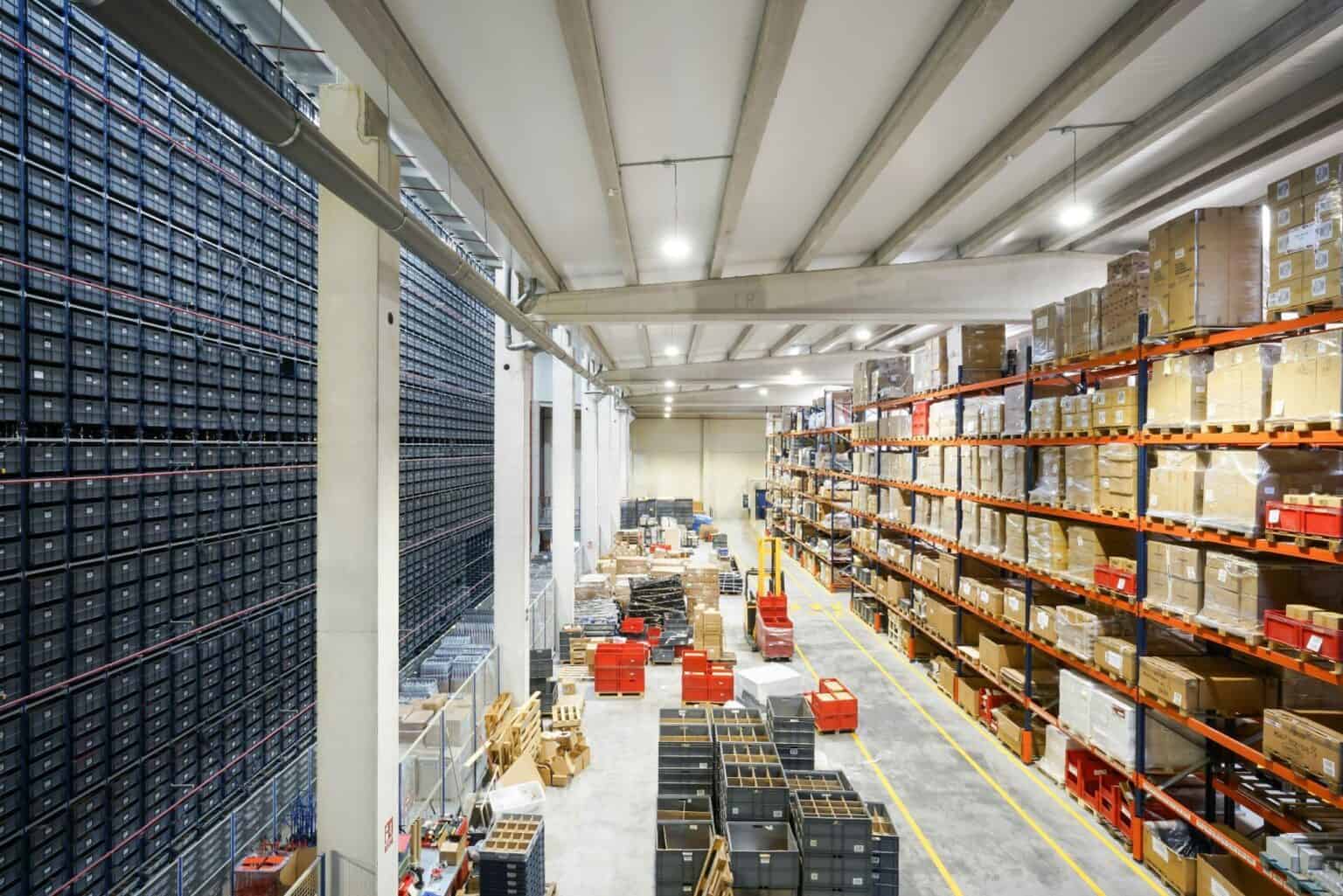
Image Source: a large warehouse inventory (Unsplash)
Singapore has quickly become one of Southeast Asia’s most busiest e-commerce markets. With more people turning to e-commerce for everything from daily essentials to specialty products, businesses are under pressure to get orders out quickly, accurately, and affordably. This is where warehouse inventory management plays a crucial role.
Whether you’re operating a small online store or a large ecommerce warehouse in Singapore, having a clear system for tracking, storing, and moving inventory can be the difference between growth and costly setbacks. Modern inventory management doesn’t just help you stay organized—it allows you to reduce waste, improve speed, and meet your customers’ expectations more consistently.
Real-Time Tracking Improves Accuracy
One of the biggest advantages of today’s warehouse inventory management systems is real-time tracking. With barcode scanners, RFID chips, and connected dashboards, your team can easily check which items are in stock, which are running low, or where something is located—all without digging through shelves or spreadsheets. This visibility reduces the chances of stockouts or overstocking—two common problems that lead to lost sales or excess holding costs.
Inaccurate inventory also leads to mistakes in picking and packing, which increases return rates. By improving accuracy through real-time systems, businesses avoid unnecessary returns, boost customer satisfaction, and save money on reverse logistics.
Vendor Managed Inventory: A More Agile Approach
Vendor Managed Inventory (VMI) is an increasingly popular model in e-commerce logistics. In a VMI system, the supplier monitors inventory levels and restocks the warehouse based on real-time sales data. This shifts responsibility for replenishment away from the retailer, improving responsiveness and reducing the risk of running out of popular items.
In Singapore, VMI is especially effective due to its advanced logistics infrastructure and high data transparency between suppliers and fulfillment centers. It allows for more accurate forecasting, better stock rotation, and ultimately, leaner operations—a concept supported in research from the MDPI Journal on Lean E-Commerce Operations (Rahman & Kirby, 2024).
Optimizing Warehousing and Distribution with WMS
A warehouse management system (WMS) helps automate key processes such as picking, packing, restocking, and returns. These systems allow for efficient slotting (placing items based on frequency of orders), route planning for warehouse staff, and integration with e-commerce platforms. Warehousing and distribution becomes smoother and faster when every process is coordinated through a central system.
For ecommerce warehouses in Singapore, where real estate is limited and labor costs are high, these optimizations are not just convenient—they’re essential for staying profitable.
Sustainability and Precision Go Hand-in-Hand
Effective warehouse inventory management doesn’t just boost productivity—it also reduces environmental impact. Less overordering means less waste. Efficient returns handling means fewer discarded products. Compact and well-run facilities also consume less energy. In a time when ESG (Environmental, Social, Governance) goals are increasingly important, inventory precision supports both sustainability and profitability (Ong, 2023).
Scalability and Regional E-Commerce Growth
Singapore serves as a logistics hub for Southeast Asia. That means local businesses need to plan not just for today, but for regional scale. A strong inventory management foundation allows companies to grow across borders without adding unnecessary complexity. The ability to scale efficiently is one of the reasons global and local brands continue investing in Singapore’s e-commerce ecosystem (Rahman & Kirby, 2024).
References
Ong, H. L. (2023, March 29). Crucial factors for successful e‑commerce warehousing. Singapore Institute of Purchasing and Materials Management. https://publication.sipmm.edu.sg/crucial-factors-successful-e-commerce-warehousing/
Rahman, M. A., & Kirby, E. D. (2024). The Lean Advantage: Transforming e‑commerce warehouse operations for competitive success. Logistics, 8<(4), 129. https://doi.org/10.3390/logistics8040129